Smarter Planning for a Clean Exterior: A Homeowner’s Practical Guide
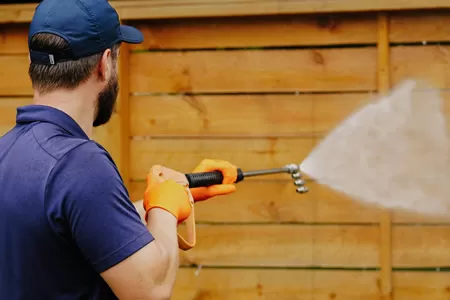
Beginning a pressure washing project is easier when you define your goals up front. Decide whether you’re targeting curb appeal, slip reduction on walking surfaces, or prepping for paint. Clarifying the outcome lets you scope surfaces and materials appropriately, from siding and brick to composite decks. With a clear objective, you can match methods, avoid over-cleaning delicate areas, and schedule work in a way that minimizes disruption around the home.
Next, assess your property’s materials and their condition. Vinyl, wood, stucco, and masonry behave differently under pressure, so understanding composition helps you calibrate spray intensity and detergent choice. Note any cracked mortar, oxidized siding, or failing paint that could be aggravated by high pressure. Mark sensitive zones like vents, electrical boxes, and door thresholds to protect them. Thoughtful inspection helps avert damage and reduces rework after the wash.
Meanwhile, map the workflow to manage water, runoff, and access. Plan hose routes to avoid tripping hazards and protect landscaping by wetting plants before detergents touch leaves. Stage tools and nozzles near each task zone to limit backtracking. If you share driveways or sidewalks, notify neighbors about timing. In practice, a smooth sequence saves time, preserves safety, and keeps the job moving efficiently from high to low areas.
Often, homeowners wonder whether to choose soft washing or traditional pressure. Soft washing relies on lower pressure with specialized detergents to lift organic growth safely from fragile surfaces like shingles and painted trim. Traditional pressure suits harder substrates like concrete and pavers when used correctly. Validate the method by spot testing in inconspicuous areas. Then adjust nozzles and dwell times so results are consistent without etching or fiber damage.
Beyond that, think about exterior systems holistically. A roof cleaning plan ties into gutter function and ground drainage, while a driveway wash influences how dirt migrates to entryways. Pairing tasks in the right order cuts duplicates; for example, clean upper surfaces first so runoff doesn’t foul freshly washed lower zones. Aligning tasks like window cleaning after siding work helps remove residual spotting and leaves a crisp finish.
For budgeting, define scope and cadence rather than chasing the lowest number. Compare proposals by square footage, material type, detergent strategy, and included rinses. Ask how providers manage delicate substrates and what safety measures they follow around fixtures and landscaping. Avoid vague estimates by requesting itemized steps for surfaces like patios, decks, and fences. This detail supports fair comparisons and clarifies expectations before any hose turns on.
Regarding timing, seasonal conditions affect detergents and dwell time. Spring cleans lift winter grime and pollen before peak outdoor use, while fall work removes summer growth and preps for wet months. Early mornings can reduce flash-drying and streaks during heat. However, avoid freezing conditions where runoff becomes hazardous. Sequence jobs around weather windows so surfaces dry properly and sealers, if used, can cure unhindered.
For quality control, document starting conditions with photos and note existing stains, oil spots, or oxidation. Inspect each section after cleaning to verify uniformity and address missed edges. Then refine the finish by checking trim, railings, and glass for overspray. Simple punch-lists help ensure nothing gets overlooked. Finally, confirm that runoff paths are clear and that any furniture, doormats, and planters return to their original positions.
As part of maintenance, set an interval for touch-ups based on shade, tree cover, and traffic patterns. High-traffic walkways may need lighter refreshes between full cleans. Verify that nearby irrigation isn’t staining surfaces with minerals. When planning future work, consider bundling services like Pressure washing and window cleaning so streaks and spots are handled together, reducing callbacks and keeping the exterior looking cohesive.
In selecting a provider, fit matters as much as tools. Ensure they understand surface sensitivities and can explain nozzle choices, detergent types, and runoff management. Ask how they stage equipment to protect siding and landscaping, and how they handle access around pets and vehicles. A team that can phase work, buffer risks, and maintain clear communication will leave you with durable results across Exterior Cleaning Services without unnecessary disruption.